




Should You Rent or Buy a Shipping Container? 5 Key Factors to Consider
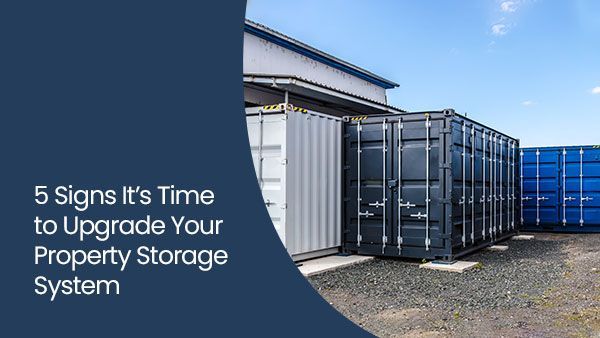
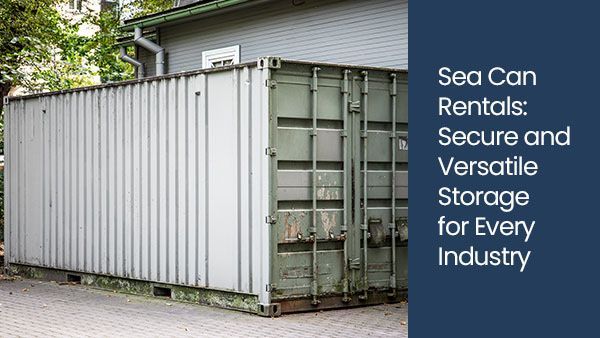
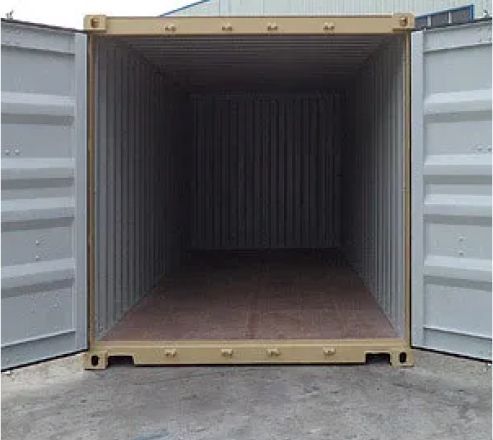
Finding the right storage setup usually starts with a practical question: Should you rent a shipping container or buy one? At MOD Demolition, we talk to businesses, contractors, property owners and project managers who need secure storage, but do not all need it in the same way. Some need a container for a short job with a clear end date. Others are looking for something that can stay in place for years.
The right choice depends on more than the container itself. Your timeline, budget, available space and day-to-day use all shape whether shipping container rental or a purchase makes more sense. Both can be useful, but they solve slightly different problems.
If you are comparing options and want a decision that fits your project rather than someone else’s, it helps to break the choice down into a few real-world factors.
Shipping Container Rental vs. Buying: How to Choose the Right Option
There is no universal answer to the rent-versus-buy question. A container that works well for one property or project can turn into an unnecessary expense for another. The clearest way to choose is to look at how long you need the container, what you expect it to cost over time, and how much flexibility you want once it is on site.
From our side, the most successful storage decisions usually happen when customers look past the immediate need and think about what the container will still be doing six months or two years from now. That shifts the conversation away from quick assumptions and toward practical fit.
1. Consider How Long You Need the Container
Timeline is usually the first place to start. If you need secure storage for a construction job, a renovation, seasonal overflow or temporary site organization, shipping container rental often lines up better with that kind of use. You get the storage you need for the active phase of the project without taking on ownership after the work wraps up.
Buying tends to make more sense once the container is going to stay useful for the long haul. A business with ongoing equipment storage, a property with a steady need for extra space or a site that needs a permanent storage solution may get more value from ownership over time.
It is worth looking one step beyond the current project. A container may feel essential right now, then sit unused once the job ends or operations change. In that situation, renting can be the cleaner choice because it gives you access to storage without leaving you with a long-term asset to manage later.
Short-term rental needs often include:
- Construction site storage during active work
- Renovation projects with temporary equipment or material storage
- Seasonal inventory overflow for business operations
- Temporary property cleanups or reorganization
Long-term purchase needs often include:
- Ongoing business storage at a fixed location
- Permanent equipment storage on commercial or rural properties
- Long-range projects where the container will stay in regular use
- Situations where the container will remain part of site operations
2. Compare Upfront Cost With Long-Term Value
Cost deserves a closer look than the first number you see. Renting usually comes with a lower upfront commitment, which can be easier on cash flow when the storage need is temporary or the project budget is already carrying other major expenses. That matters for contractors balancing multiple jobs, businesses managing inventory swings and property owners trying to solve a short-term space problem without making a large capital purchase.
Buying shipping containers for sale asks for a larger initial investment. In the right situation, that can still be the better value. A purchased container may be more practical when it will be used continuously, and there is a clear long-term purpose for keeping it on site.
The more useful comparison is total cost over time. Monthly rental cost and purchase price only show part of the picture. Depending on the situation, ownership may also bring delivery, placement, maintenance, repairs, relocation and eventual removal or resale into the equation.
| Cost Consideration | Rental | Purchase |
|---|---|---|
| Upfront cost | Usually lower | Usually higher |
| Short-term budgeting | Often easier to manage | May be harder to justify |
| Long-term use | Cost adds up over time | May offer better value with steady use |
| Maintenance responsibility | Often reduced compared with ownership | Falls more directly on the owner |
| End-of-use planning | Return when no longer needed | Removal, resale or continued storage use required |
3. Think About Flexibility and Changing Storage Needs
Storage needs rarely stay perfectly fixed. A site can change. A business can hit a busier season than expected. A project may need storage for one phase, then require a different setup later. Shipping container rental works well in those situations because it gives customers room to respond without locking them into one long-term decision.
That flexibility can be useful during clearing work, active construction, property transitions, temporary expansions and reorganizations where the amount of storage or the timing may shift. Renting supports changing needs. Buying leans more toward long-term control and consistency.
A purchased container can still be the right fit where demand is stable and predictable. If you already know the container will stay in one place and serve the same purpose for years, ownership may be easier to justify. The difference comes down to how much change you expect.
Flexible rental may be helpful when:
- A project timeline may expand or shrink
- Busy seasons create temporary overflow storage needs
- Site conditions or layout may change during the job
- You are testing whether container storage is the right long-term solution
- You need secure storage now without committing to permanent ownership
4. Decide How Much Control You Need Over the Container
Some customers want a container strictly for secure storage. Others are thinking beyond that and want more control over how the unit is used over time. That is where buying can start to stand out. Ownership may be the better route when a container is intended for long-term placement or when the customer wants to explore changes such as shelving, electrical work, access adjustments or other site-specific additions.
That level of control is not always necessary. Many customers simply need a dependable place to store tools, equipment, materials or overflow inventory. In those cases, shipping container rental can be the more practical option because it covers the storage need without shifting extra responsibility onto the customer.
The right choice depends on whether you need the container to stay fairly standard or whether you expect it to become a more permanent part of your operation. Before deciding, it is smart to ask about allowed uses, placement requirements and any restrictions that may affect how the container can be used on your property or job site.
5. Factor In Delivery, Placement and Removal
The decision does not stop at rent or buy. A container needs a workable location, access for delivery and enough space to serve its purpose once it arrives. Ground conditions, traffic flow and future site plans all matter. That applies whether the container is going onto a commercial property, a farm, a construction site or a residential project area in Sault Ste. Marie or the surrounding region.
This part of the decision often pushes customers toward rental when they want secure storage but do not want to deal with keeping, reselling or removing the container later. Renting can simplify the end of the project. Once the storage need is over, the container can leave with it.
Buying can still be the right move when there is enough room, a clear long-term use and no concern about permanent placement. The key is to think through the full lifecycle of the container before it arrives, not after it is already taking up space.
Before choosing, ask:
- Is there enough access space for delivery and placement?
- Will the ground support the container where it needs to sit?
- How long will the container realistically stay on site?
- What happens when the project or storage need ends?
- Will future site changes make the container harder to keep in place?
When Renting a Shipping Container May Be the Better Choice
We often see customers choose rental when the storage need is tied to a project, a season or a temporary space problem that will eventually clear up. In those situations, shipping container rental offers a practical way to secure materials, tools or inventory without creating a long-term ownership decision that may not hold up once the immediate need passes.
Rental can also make sense when predictable short-term costs matter more than permanent control. A contractor may need site storage during active work. A business may need space during a busy period. A property owner may need temporary storage while reorganizing a yard, building or work area. In each case, the focus is on access, convenience and secure storage for a defined period.
For customers who want to solve the storage problem in front of them and keep future commitments lighter, renting is often the better fit.
Common rental situations include:
- Construction site storage
- Renovation storage
- Seasonal business overflow
- Equipment storage during active work
- Short-term commercial or property storage
When Buying Shipping Containers for Sale May Make More Sense
Buying can be the stronger option when storage is going to remain part of the property or business for the foreseeable future. A container that stays in regular use over several years may justify the higher upfront cost, especially when the need is stable and there is a clear plan for where the unit will stay.
Customers looking at shipping containers for sale should think about more than ownership itself. How often will the container be used? Is there a long-term location for it? Will the property support ongoing placement? Does it make sense to take on maintenance and future removal if plans change later?
Buying may be practical when:
- The container will be used continuously over the long term
- The storage need is predictable and unlikely to change much
- There is space for permanent or semi-permanent placement
- Greater control over use or setup is part of the goal
- Ownership fits the budget and long-range plan
Make the Right Shipping Container Rental Decision for Your Storage Needs
Choosing between renting and buying comes down to a few practical questions: how long you need the container, what you can justify in your budget, how much flexibility you want, how much control you need and whether the storage demand will still be there well after the current job is done. For many temporary or changing situations, shipping container rental offers a straightforward way to get secure storage without committing to ownership.
When you are comparing shipping container rental with buying, MOD Demolition can help you think through your timeline, storage needs and available space so you can choose an option that makes sense for your project. Learn more about our shipping container rental options.
Reach out to MOD Demolition today at 249-449-0018, email us at connect@flemingcapitalgroup.ca or click here to get in touch online.